

The Columbia River Maritime Museum is located on the waterfront in the picturesque coastal town of Astoria, Oregon. The museum was built in 1962 and has been a local landmark for history buffs and tourists alike. Within these walls, they house a wide variety of artifacts, exhibits and interactive displays highlighting the region’s rich nautical heritage.
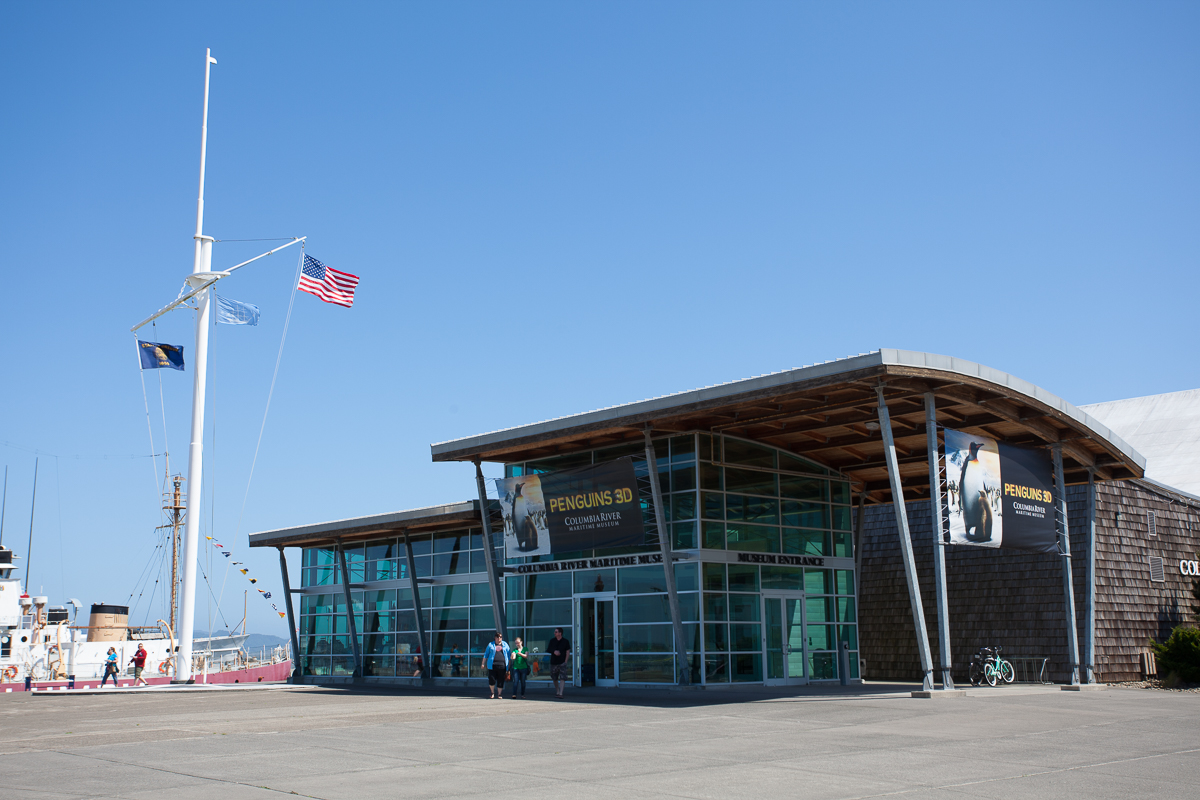
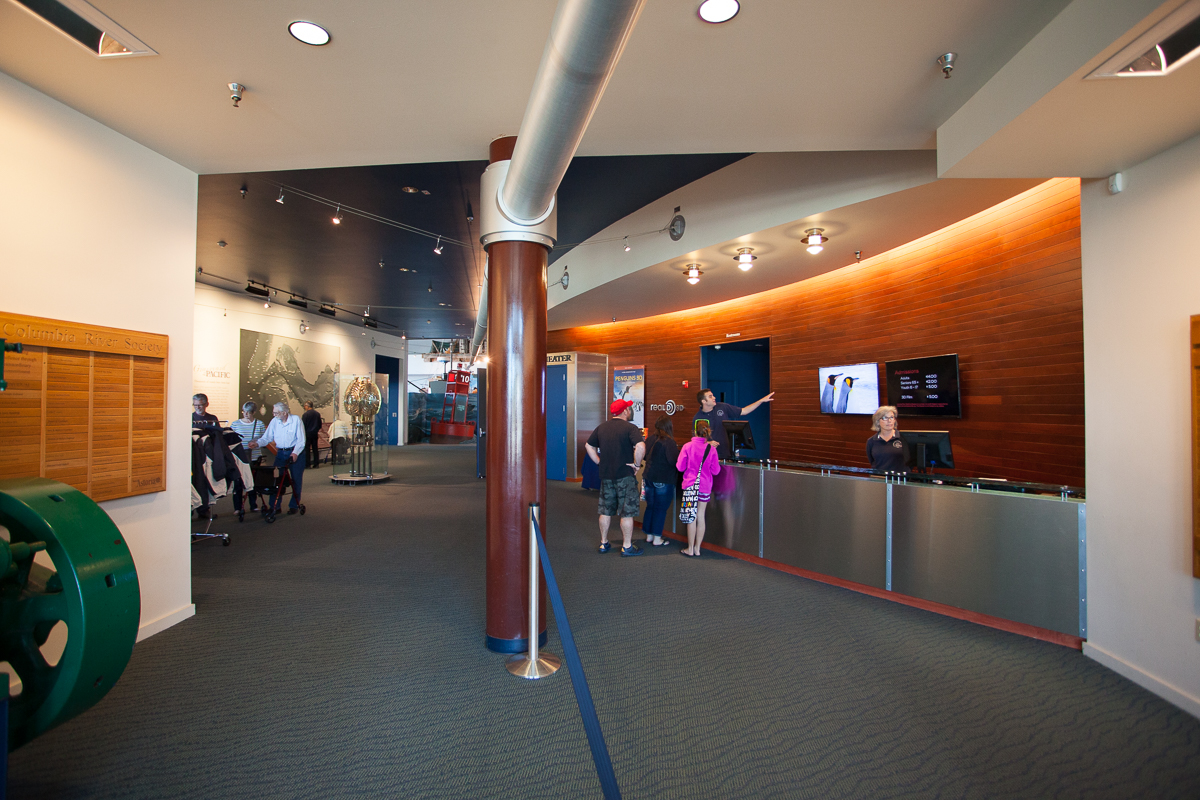
After paying my $14 admission fee (now $18 in 2024), I eagerly begin my journey through the Columbia River Maritime Museum. As a privately funded nonprofit, I am more than happy to contribute to their cause and support their excellent work. Visiting museums while traveling is one of my favorite pastimes; it’s always enriching to learn about history, especially when it is so deeply tied to the region, as it is here.
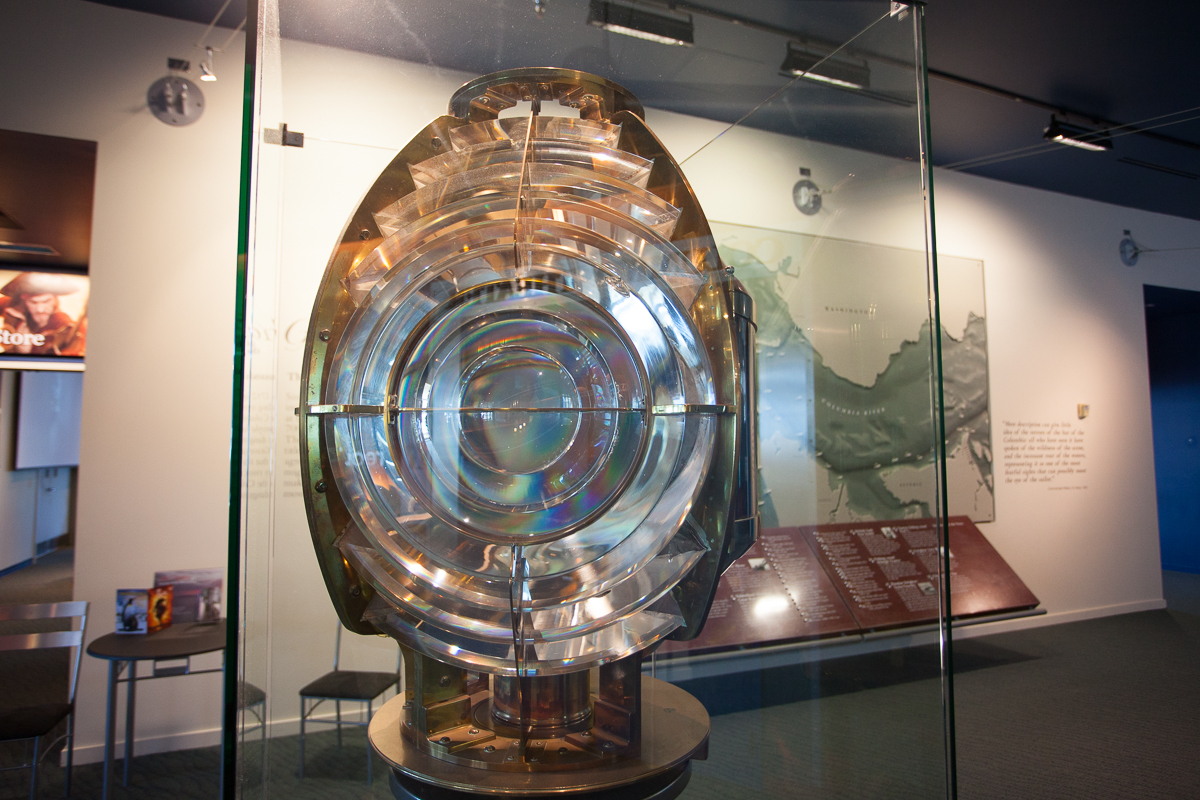
This retired Fresnel Lens was built in Paris in 1876. This was once housed in one of the many lighthouses that stretch across the western seaboard. It’s an amazing piece to admire, the craftsmanship is insane!
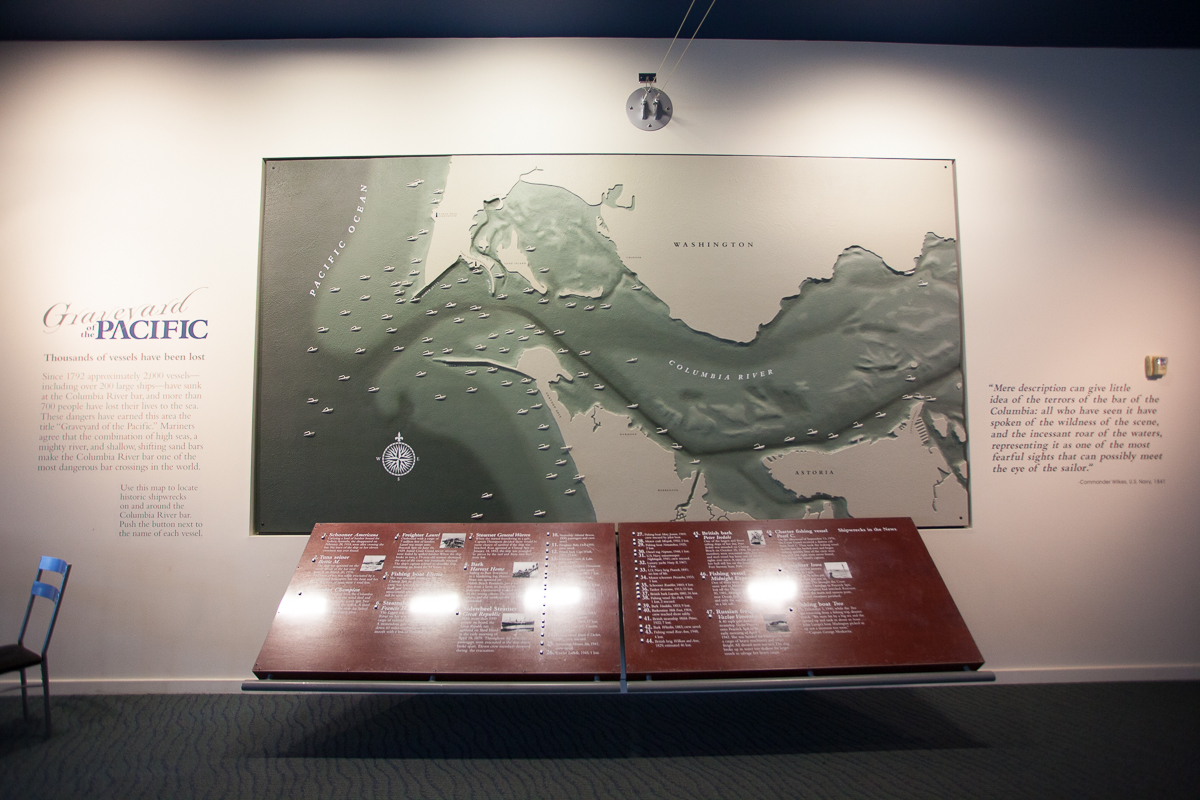
This large map spots where vessels have been lost in these treacherous waters where the Columbia River meets the Atlantic Ocean. This area is known as The Graveyard of the Pacific. In the past 200 years there have been as many as 2,000 ships sunk and over 700 lives claimed by this area.
Fishing vessels from different eras are all on display for guests to see how far maritime technology has come. These exhibits are very well curated and are in amazing condition. In addition to the exhibits, families and children can engage in hands-on activities, such as navigating a tugboat simulator or participating in maritime-themed workshops. These interactive elements make the museum more enjoyable and more educational for visitors of all ages.
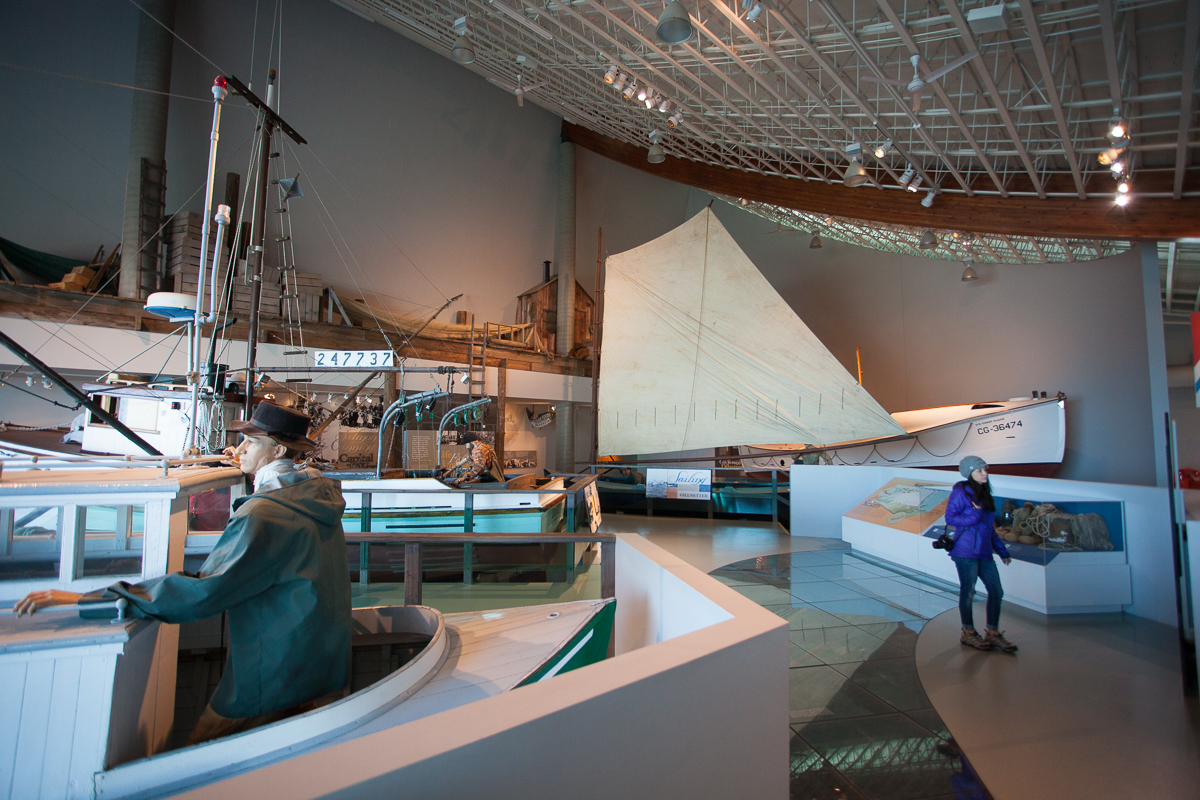
This region is very dependent on the fishing industry and reading some of the stories and tales here at the museum was very interesting. The Darle is one of the early designs of a powered trawler that replaced the sailing versions. Much like every aspect of industry, once the powered engine was invented, this industry completely changed.

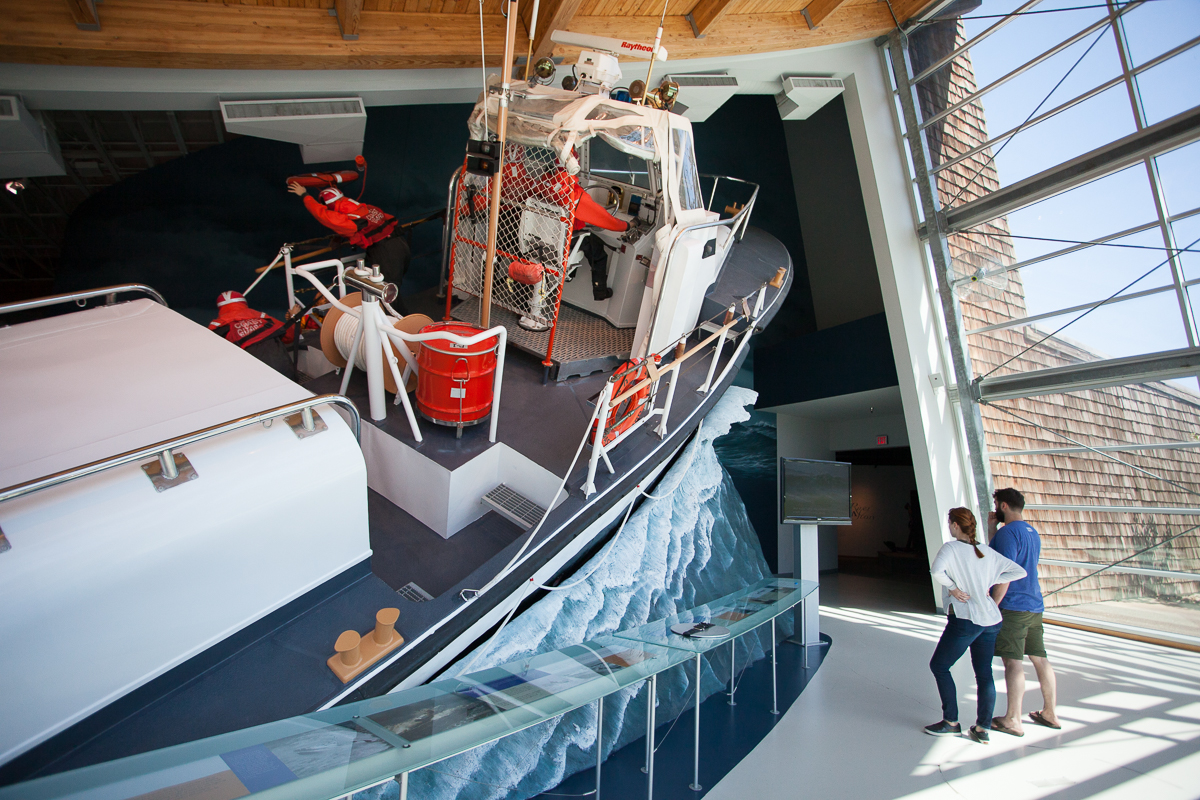
This exhibit displayed a U.S. Coast Guard boat mockup depicting the rescue of a fisherman in high seas. Many lives have been saved and lost in these waters. The ocean is a fierce one!

Standing next to the U.S. Coast Guard boat exhibit and seeing the angle is amazing. First thing I noticed is the captain is buckled into his seat and has no less than 4 tie downs securing him to the boat.
These two cannons were recovered from the U.S.S. Shark, a schooner in the U.S. Navy from 1821 until it sank crossing the Columbia River mouth in 1846. The gun on the left was American made and the one on the right was British made, both in the early 1800’s.

The sextant is a tool mariners have long entrusted their lives to, and I’ve always been curious about how it works. The museum features a fascinating interactive booth that teaches visitors how to use a sextant, and I had the most fun exploring this exhibit!

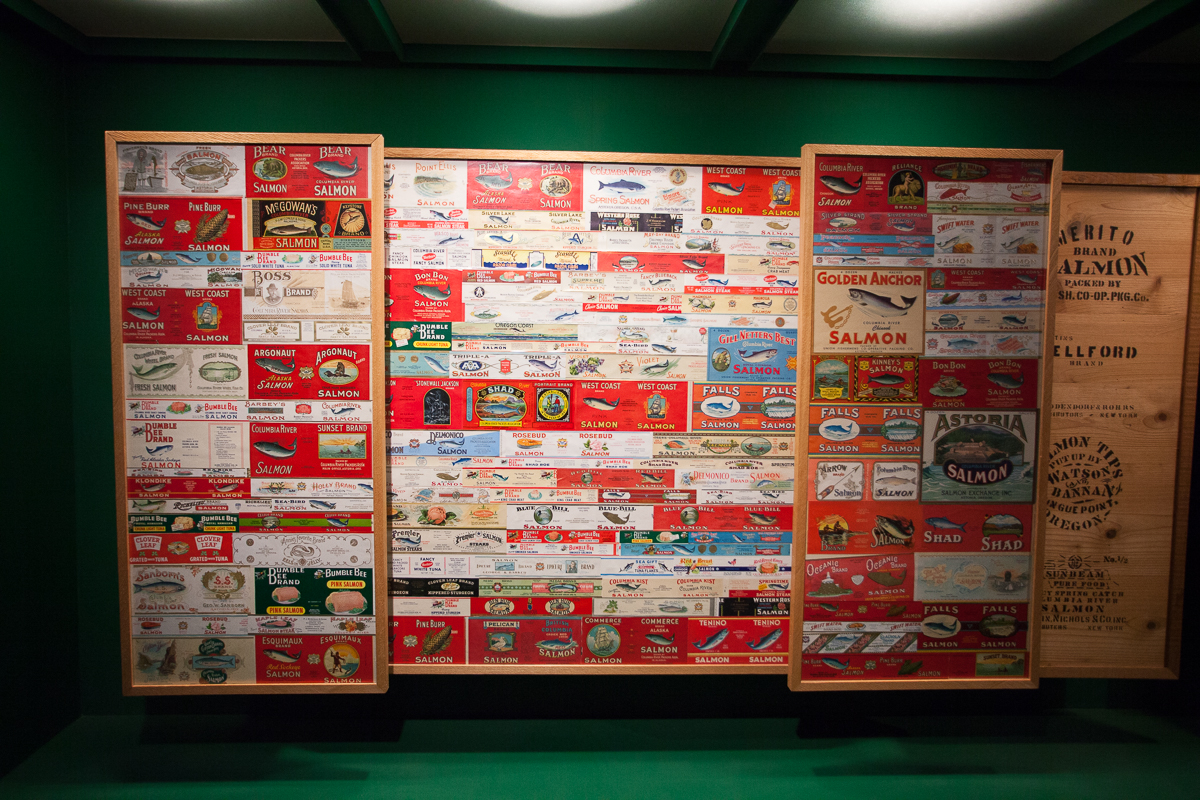
The salmon fishery in the Pacific Northwest is very significant, shown here with numerous labels from various local fisheries on display. Salmon is one of the most popular species to fish along the Columbia River, and in this region, salmon truly represents a way of life.
The price of admission also grants access to explore the Lightship Columbia. This floating lighthouse was stationed about five miles off the coast, helped vessels locate the mouth of the Columbia River. Serving from 1951 to 1979, it was added to the museum in 1980, offering a unique glimpse into maritime navigation history. Visitors can board the vessel and explore its quarters, gaining a firsthand understanding of the life and duties of the crew who served aboard. The experience provides a unique glimpse into the challenges faced by mariners and the critical importance of navigational aids in ensuring maritime safety.

A visit to the Columbia River Maritime Museum is not just about exploring the past; it also offers stunning views of the present. It’s location provides breathtaking vistas of the waterway and the surrounding landscape. After touring the exhibits, visitors can take a leisurely stroll along the riverfront or enjoy a meal at one of Astoria’s charming eateries. The combination of educational enrichment and natural beauty makes the Columbia River Maritime Museum a must-visit destination for anyone traveling through the Pacific Northwest.